Dog Training Near Me: Essential Equipment You’ll Need
Wiki Article
A Novice's Trip Into the World of Pet Training: Key Insights and Approaches
A newbie's journey right into pet dog training usually discloses a complicated interplay of understanding canine behavior and efficient interaction methods. New fitness instructors promptly discover the importance of favorable support and the demand for consistency in their technique. As they navigate via vital commands and socializing, obstacles may occur. These experiences can test their persistence, yet they also present chances for growth. What understandings will arise as they confront common obstacles and construct a more powerful bond with their canines?Understanding Your Pet dog's Habits
Just how can a pet dog's behavior expose its mood? Recognizing canine behavior is vital for reliable training and building a solid bond. Dogs interact with body movement, vocalizations, and actions, each offering understanding into their feelings. For instance, a wagging tail commonly indicates joy, while a decreased tail might indicate worry or entry.In a similar way, a pet dog that barks excessively could be revealing anxiety or exhilaration, while a loosened up posture suggests convenience and satisfaction. Observing these actions aids proprietors react suitably, cultivating a helpful setting. In addition, habits such as pacing or too much licking can show stress and anxiety or pain, indicating a demand for treatment.
Acknowledging these psychological cues allows animal proprietors to tailor their training techniques, making sure that they address their pet's specific requirements. By recognizing their emotional states, owners can nurture a trusting relationship, eventually resulting in more successful training end results.
Necessary Training Tools and Devices
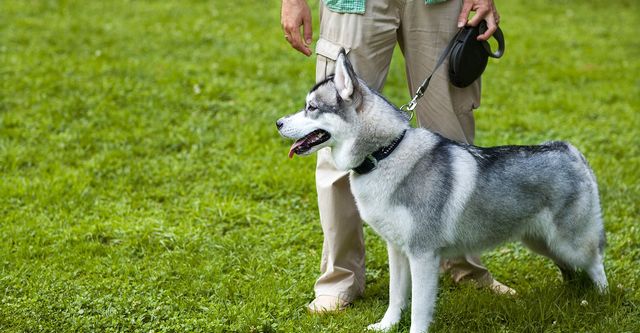
A variety of important training devices and tools can noticeably improve the dog training experience. Beginners usually locate that a well-fitted collar or harness is important for ensuring both convenience and control during training sessions. Leashes, ideally 4 to 6 feet long, give the required assistance while allowing for freedom of motion. Remote controls work as reliable tools for marking wanted behaviors, promoting clearer communication between the pet and the fitness instructor.In addition, deal with pouches can enhance the process of gratifying good behavior, keeping deals with easily accessible. Training mats or designated areas help establish limits, motivating emphasis throughout lessons. Toys that promote interaction, like tug playthings or bring balls, can likewise be used to enhance training objectives. On the whole, selecting the suitable devices not only aids in reliable training yet likewise fosters a favorable environment, making the training trip pleasurable for both the fitness instructor and the canine.
Positive Support Techniques
Favorable support strategies are commonly identified as effective methods for motivating wanted actions in pet dogs. These techniques entail rewarding a canine for specific actions, reinforcing the probability of those actions being duplicated. Common rewards include treats, praise, or playtime, all of which offer to inspire the canine favorably. Timing is vital; incentives should be provided promptly after the desired actions to create a solid association.Consistency is additionally crucial; utilizing the same signs and rewards aids the canine comprehend what is anticipated. Furthermore, differing the incentives can maintain a dog's passion and enthusiasm throughout training sessions. Favorable reinforcement not just boosts obedience however additionally cultivates a trusting bond between the trainer and the pet. This strategy contrasts dramatically with punitive methods, advertising a more effective and satisfying training experience. Generally, favorable support functions as a foundational component in effective canine training methods.
Standard Commands Every Dog Should Know
Basic commands create the backbone of efficient interaction between a canine and its proprietor. Grasping standard commands such as "rest," "remain," "come," "down," and "leave it" is important for establishing a mannerly pet (Dog Training Near Me). These commands not just guarantee safety however also foster good manners in different circumstancesThe command "rest" works as a fundamental foundation, promoting perseverance and focus. "Stay" enhances self-constraint, permitting pets to stay fixed till given more directions. "Come" is vital for recall, seeing to it pet dogs return promptly when called. The "down" command assists in calming a thrilled pet, while "leave it" shows them to ignore interruptions, boosting their security in day-to-day settings.
Educating these commands via favorable support, such as deals with and appreciation, urges canines to discover and react voluntarily. Regular method and persistence are fundamental, paving the method for a harmonious partnership between the pet and its owner.
Socialization: The Secret to a Well-Adjusted Pet
Socialization is essential for establishing a well-adjusted pet dog, as it emphasizes the importance of very early exposure to different environments and experiences. Using favorable communication methods can significantly improve a pet's ability to adjust and thrive in various social settings. Acknowledging the signs of successful socializing is crucial for proprietors to analyze their dog's progress and total health.Relevance of Early Exposure
When puppies are revealed to a selection of people, atmospheres, and experiences throughout their developmental months, they are more probable to become well-adjusted grown-up pets. Early direct exposure is vital as it assists puppies learn to browse various scenarios, reducing anxiety and stress and anxiety in unique situations. Socialization promotes confidence, permitting dogs to communicate favorably with various other pets and people. The lack of such experiences can cause behavior concerns, such as aggression or extreme shyness. By introducing young puppies to various stimuli-- like noises, environments, and social experiences-- owners can significantly affect their future personality and flexibility. Consequently, prioritizing early exposure plays an essential click here to read duty fit a pet's behavior, ensuring they turn into sociable and balanced buddies.Favorable Interaction Techniques
A selection of positive communication strategies can considerably improve a canine's socialization process, resulting in a well-adjusted friend. Engaging in regular, favorable support approaches assists pet dogs link new experiences with gratifying results. Strategies such as clicker training, deals with, and verbal appreciation encourage wanted habits and promote self-confidence. Structured playdates with various other dogs supply necessary social abilities, while direct exposure to varied environments, seems, and people fosters flexibility. Owners ought to additionally practice persistence and remain tranquil, as a loosened up attitude can assist alleviate a pet's stress and anxiety during socialization. Routine training sessions that include enjoyable and enjoyable tasks enhance the bond between the canine and the proprietor, creating a foundation for a relying on partnership. These communications are crucial for developing a well-shaped canine companion.Signs of Successful Socialization
Exactly how can one recognize a well-socialized pet? A well-socialized dog exhibits peace and self-confidence in different atmospheres and around various people and pets. It responds positively to brand-new experiences, showing interest instead of fear. When fulfilling other pets, a well-socialized dog participates in play or continues to be loosened up, preventing aggressiveness or too much anxiety. In addition, such a canine demonstrates good manners, reacting to commands and cues in diverse circumstances. Indications of successful socialization additionally include versatility; the pet dog can change its behavior whether at home, in public areas, or during traveling. Generally, a well-socialized canine personifies sociability, comfort, and balance, showing the financial investment in appropriate training and direct exposure during its developing phases.Common Training Challenges and Solutions

Leash Pulling Solutions
Several animal proprietors encounter the obstacle of chain pulling, a typical behavior that can make walks unrestrainable and discouraging. To address this concern, fitness instructors frequently suggest a number of efficient techniques. Utilizing a front-clip harness can lower drawing by rerouting the canine's attention. Second, showing the "heel" command urges the canine to stroll smoothly next to the owner. When the dog remains at the proprietor's side can enhance this actions, consistent support with deals with or commend. Furthermore, quiting and standing still whenever the pet dog draws can instruct them that relocating forward only occurs when they are strolling politely. With perseverance and uniformity, animal owners can transform walks into satisfying experiences for both themselves and their pet dogs.Extreme Barking Monitoring
Excessive barking can come to be a substantial obstacle for pet dog owners, often leading to disappointment and stretched relationships with next-door neighbors. Recognizing the underlying reasons for barking is essential; pet dogs might bark out of monotony, stress and anxiety, or a need for interest. To resolve this problem, owners should first identify triggers and provide mental excitement via interactive playthings and regular workout. Constant training commands, such as "peaceful," can aid enhance preferred behavior. Positive reinforcement, including deals with and praise, can urge dogs to continue to be calm. Furthermore, developing an organized setting with assigned peaceful times can be advantageous. In a lot more severe instances, seeking advice from a professional dog trainer or behaviorist might be needed to create a customized method to handling excessive barking successfully.Jumping Actions Improvement
While it might appear endearing when a canine leaps up to greet individuals, this habits can promptly become troublesome, especially when it is too much or unwelcome. Several canine owners encounter challenges with jumping, typically resulting in scratched clothing or shocked guests. To remedy this actions, consistent training is crucial. One effective method entails educating the dog a different habits, such as resting when welcoming somebody. Reinforcement, through treats or appreciation, motivates the preferred action. Additionally, proprietors must prevent regarding when the canine jumps; rather, they should await tranquil behavior prior to involving. Persistence and uniformity are important, as jumping actions might take time to lessen, but with proper techniques, it can be effectively managed.The Significance of Consistency and Persistence
Uniformity and patience are foundational merits in the domain of pet dog training. Effective training counts on the regular application of commands and methods, making certain that the pet dog recognizes expectations. address Irregular signs can cause confusion, preventing the learning process. If an instructor allows an actions one day and discourages it the following, the canine might come to be uncertain of what is appropriate.Perseverance enhances uniformity, as discovering takes some time. Canines do not realize commands or behaviors immediately; rep and reinforcement are important. An instructor has to stay calm and fully commited, acknowledging that problems become part of the journey. Irritation can lead to unfavorable communications, impeding progress.
Through constant support and the readiness to be patient, trainers foster a relying on relationship with their canines. This bond not only aids in interaction however likewise enhances the overall training experience, causing a mannerly buddy.
Frequently Asked Inquiries
For how long Does It Commonly Require To Train a Pet?
The duration for educating a dog differs considerably, commonly varying from weeks to a number of months. Factors influencing this timeline consist of the pet's age, type, prior experiences, and the consistency of the training methods used.Can I Train an Older Canine Efficiently?
Educating an older pet is indeed reliable, though it may require patience and uniformity. Older canines can find out new commands and actions; nonetheless, their prior experiences and practices ought to be taken into consideration throughout the training process.What Are Some Indicators My Pet Is Emphasized During Educating?
Should I Utilize Remote Control Training for All Dogs?
The efficiency of remote control training varies among dogs. Some respond well due to positive support, while others may not involve. Observing each dog's habits and preferences is necessary for figuring out the ideal training method.Exactly how Do I Handle Interruptions Throughout Training Procedure?
Taking care of distractions during training sessions calls for patience and uniformity. Slowly present interruptions, reward focus, and keep sessions short. Producing a regulated setting helps canines find out to concentrate, boosting their ability to adhere to commands in the middle of interruptions.A newbie's trip right into dog training usually exposes a complicated interplay of recognizing canine actions and reliable communication methods. A variety of essential training tools and tools can noticeably enhance the pet dog training experience. Furthermore, varying the benefits can maintain a pet dog's passion and interest during training sessions. When fulfilling other pet dogs, a well-socialized pet dog engages in play or stays loosened up, avoiding hostility or extreme anxiety. Signs of a stressed pet dog throughout training include too much panting, drooling, a tucked tail, avoidance behaviors, or an absence of focus.
Report this wiki page